
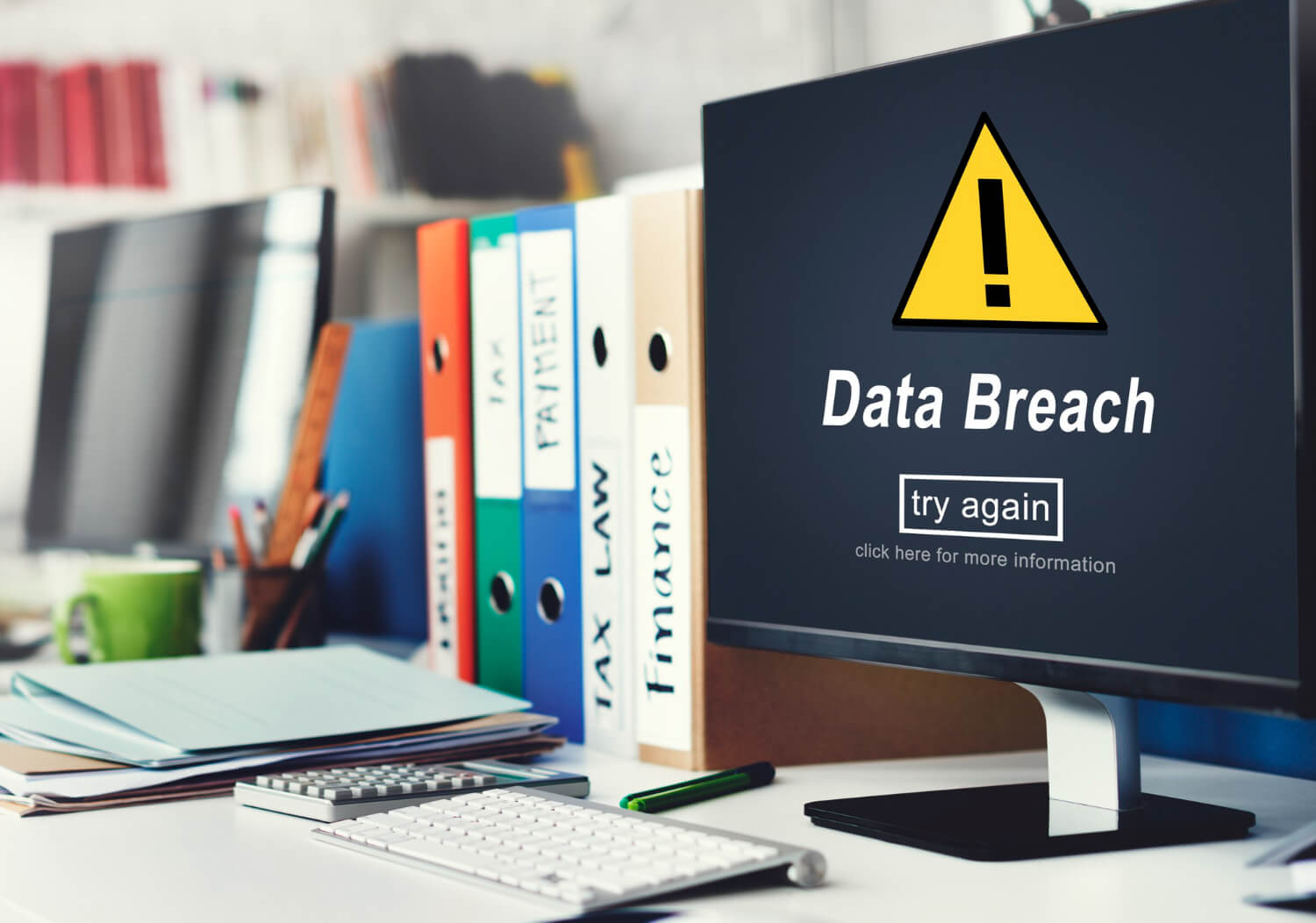
Cybercriminals have adapted to this reality.
Instead of only attacking systems, they are now targeting users directly, by sending fake data breach alerts that look almost identical to legitimate ones. These messages are carefully designed to exploit trust in real security communications.
The result is a growing cybersecurity risk where the warning itself becomes the attack.
Attackers are no longer creating completely random phishing emails. They are increasingly referencing real, recent breaches to make their messages more believable.
For example, after the T-Mobile data breaches in 2021 and 2023, many users reported receiving emails claiming to offer account protection or compensation. Some of these messages were legitimate, but many were not. Fake emails copied branding, language, and timing to trick recipients into entering personal details.
A similar pattern appeared after the LastPass breach in 2022. Users received phishing emails urging them to “secure their vault immediately.” These emails directed victims to fake login pages designed to steal master passwords.
In both cases, attackers didn’t need to hack systems again. They simply used public knowledge of the breach to create convincing scams.
The success of fake breach alerts comes down to timing and psychology.
When people believe their data may already be exposed, they are more likely to act quickly. The usual caution around suspicious emails is replaced by urgency. Attackers take advantage of this moment by presenting a solution that appears helpful but is actually harmful.
These messages often feel credible because they align with real events. When a user has already heard about a breach in the news, a follow-up email doesn’t seem unusual.
This is what makes these attacks particularly effective, even for experienced users.
Most fake alerts follow a similar structure. The message informs you that your data has been compromised and then provides instructions to fix the issue. These instructions typically involve clicking a link, logging into an account, or verifying personal information.
The design is often professional. Logos, formatting, and language are copied from legitimate communications. However, small details usually reveal the truth.
The sender’s email address may not match the official domain. The link may redirect to a slightly altered website. The message may push for immediate action in a way that feels unnecessarily urgent.
These details are easy to miss when reacting quickly, which is exactly what attackers rely on.
For individuals, falling for a fake alert may lead to account theft or financial loss. For businesses, the impact can be significantly larger.
One compromised employee account can provide access to internal systems, client data, or communication channels. In many cases, phishing attacks are the starting point for broader security incidents.
According to multiple industry reports, phishing remains one of the most common entry points for cyberattacks worldwide. Fake breach notifications are simply a more advanced version of the same strategy, built on trust rather than technical vulnerability.
The most effective defense is not technical, it is behavioral.
When you receive a breach alert, the first step is not to act, but to verify. Instead of clicking links in the message, access the company’s official website directly. Check for announcements or security updates there.
If the breach is real, the company will provide clear guidance through official channels. If there is no mention of it, the message should be treated as suspicious.
This approach removes the attacker’s advantage. It replaces urgency with control.
While awareness is critical, it should be supported by strong security practices. Multi-factor authentication can prevent unauthorized access even if credentials are exposed. Unique passwords reduce the impact of a single compromised account.
For businesses, regular employee awareness training and system monitoring play a key role in prevention. Most attacks succeed not because systems fail, but because users are misled.
Building a culture of verification and caution is one of the most effective long-term defenses.
RC Systems helps businesses and individuals strengthen their digital security through proactive IT support and system monitoring. Our approach focuses on prevention, helping clients identify risks early and maintain secure, reliable systems.
From assisting with security best practices to providing ongoing technical support, our goal is to help organizations operate safely in an increasingly complex digital environment.
Fake data breach alerts represent a shift in how cyberattacks are carried out. Instead of breaking through security systems, attackers are finding ways to bypass them by targeting human behavior.
The next time you receive a breach notification, remember that not every warning is genuine. Taking a moment to verify the source can prevent a much larger problem.
In cybersecurity, the difference between safety and risk often comes down to a single decision, whether to trust, or to verify.




.avif)
.avif)