
At first, this may sound like a problem limited to schools or universities.
But it’s not
What this case really reveals is something much bigger. It shows how easily stolen personal information can be used to gain access to systems that are built on trust, and how difficult it can be to detect that misuse in time. For individuals, this is a reminder that identity theft is becoming more advanced. And in many cases, it happens quietly, without any immediate warning.
The idea behind “ghost students” is simple, but highly effective.
Fraudsters collect real personal data, such as Social Security numbers and dates of birth, often from data breaches or stolen records. They then use this information to apply to colleges as if they were legitimate students.
Because the data is real, the application passes basic verification checks without any issues. The system sees a valid identity and assumes everything is normal.
Once accepted, the fraudsters receive financial aid payments. After that, they disappear, leaving behind financial loss and very little trace.
The identity is real, but the person using it is not. This is what makes the scheme so difficult to catch.
It’s easy to think this type of fraud only affects educational institutions. But the method itself can be used almost anywhere.
If someone can use stolen identity data to successfully pass one system, they can do the same in others. That includes applying for credit, opening accounts, or accessing services under someone else’s name.
The bigger concern is that these actions often look completely normal at first. There are no obvious red flags, and by the time something seems wrong, the damage may already be done.
That’s why this isn’t just a business problem, it’s a personal one.
Most systems today are built around one main idea: if identity information matches, the user is legitimate.
But that approach no longer works the way it used to.
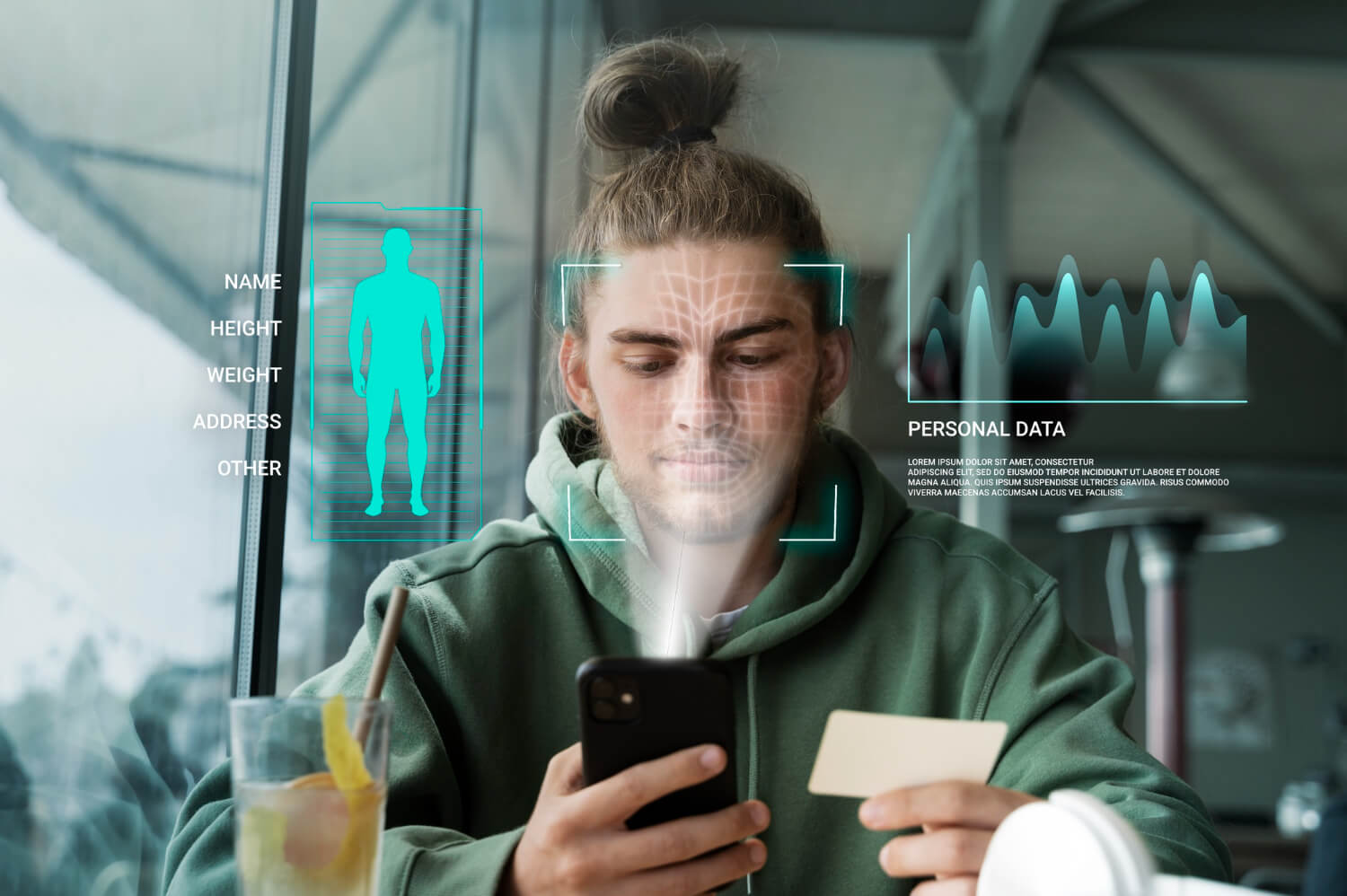
Fraud has evolved. Criminals are no longer creating fake identities, they are using real ones. That means everything can look correct on the surface, even when it’s not.
This creates a serious gap. Systems approve access based on valid data, but they cannot always confirm whether the person behind that data is genuine.
As a result, fraud can go unnoticed during the most critical stage, the moment access is granted.
For individuals, this type of fraud highlights an important reality: your personal information is valuable, and it can be used without your knowledge.
Even if you are careful with your data, it can still be exposed through breaches, leaks, or other sources outside your control.
That’s why identity protection today is not just about preventing theft, it’s about staying aware. Knowing when and how your information is being used is just as important as keeping it secure.
You don’t need to be an expert to protect yourself, but you do need to stay informed.
Regularly checking your credit and account activity can help you notice unusual changes early. Something as small as an unfamiliar account or a sudden change in your credit profile can be an early warning sign.
The key is timing. The sooner you detect suspicious activity, the easier it is to stop it before it grows into a larger issue.
Staying aware gives you control, and in situations like this, that makes all the difference.
This is where RC Systems becomes valuable.
RC Systems is designed to give you visibility into your identity and financial activity, so you are not left in the dark. Instead of discovering problems after they happen, you can monitor what’s going on in real time.
By keeping track of your credit and identity signals, RC Systems helps you spot unusual activity early. This allows you to respond quickly and reduce the risk of long-term damage.
In a world where identity fraud is becoming more sophisticated, having this level of awareness is no longer optional, it’s essential.
Fraud schemes like “ghost students” are increasing because they take advantage of how systems are designed.
Many platforms prioritize speed and convenience, which makes onboarding faster, but sometimes less secure. At the same time, large amounts of personal data are already available through breaches and leaks.
This combination creates the perfect environment for fraud to grow.
As more services move online, the risk continues to increase. That’s why both systems and individuals need to adapt.




.avif)
.avif)